


 Project management tools have come a long way in the last few years. In 2025, they’re not just about creating tasks or assigning deadlines, they’ve become smarter, more collaborative, and even powered by AI. Whether you’re leading a small creative team or managing multiple global projects, the right tool can make your workday a lot easier. Let’s take a look at some of the best project management tools in 2025 and what makes each one stand out
1. ClickUp: A Complete Workspace for Every Team
ClickUp has quickly become a favorite for teams that want to do everything in one place. From planning tasks to writing documents, tracking time, and setting goals, it’s designed to replace multiple tools at once. In 2025, ClickUp’s built-in AI assistant helps predict deadlines, suggest task assignments, and even summarize updates. It’s a great option if you’re managing different kinds of projects and don’t want to keep switching between apps. Once you set it up, it becomes your team’s central brain.

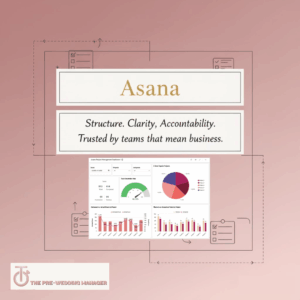
2. Asana: Organised, Reliable and Easy to Scale
Asana continues to be one of the most trusted project management platforms and for good reason. It’s clean, well-organized, and helps teams stay on top of multiple projects without confusion. This year, Asana introduced smarter features that help predict project delays and give managers a clearer picture of how work is progressing. It’s especially great for larger teams that want structure, clarity, and accountability. While it’s a bit pricier as you scale, its ease of use and reliability make it worth it for serious teams.
3. Monday.com: Simple, Colourful and Effective
If you love visuals and want a project tool that feels fun to use, Monday.com is hard to beat. Everything is colorful, easy to navigate, and packed with features that make project tracking effortless. It’s perfect for marketing, admin, and operations teams that want to track work visually without diving too deep into complicated systems. You can automate repetitive tasks, link dashboards to different departments, and track progress at a glance. It’s light, flexible, and ideal for teams that value simplicity with style.

4. Jira: Built for Developers and Agile Teams
For software teams, Jira remains the go-to choice. It’s built for Agile, Scrum, and Kanban workflows, making it perfect for managing sprints, tracking bugs, and shipping updates efficiently. What’s impressive in 2025 is how much Jira has improved in usability and integration, it now connects more seamlessly with design tools, version control systems, and even AI-based issue tracking. It’s still quite technical, but if your team lives and breathes code, Jira will feel like home.
5. Trello: Simple, Visual, and Beginner Friendly
Trello proves that sometimes, less is more. Its drag-and-drop board system is still one of the easiest ways to manage tasks visually. It’s great for individuals, freelancers, or small teams who don’t need complicated tracking systems.
Trello has also added smarter automation and AI-powered templates, making it more powerful than before while keeping its famous simplicity. It’s perfect if you prefer a clean, no-fuss workflow that just works.
6. Notion: Flexible and Perfect for Creative Teams
Notion has evolved from a note-taking app into a flexible workspace where teams can plan projects, write documents, and track goals all in one place. In 2025, it’s even more powerful. You can connect databases, assign tasks, and even use its AI to help write or summarize content. It’s ideal for creative or documentation-heavy teams that want freedom and flexibility. However, if your projects depend on strict timelines or complex task tracking, Notion might not be the most structured option.
7. Wrike: Powerful Management for Large Organisations
If your team manages several clients or large-scale projects, Wrike might be the best fit. It’s strong in resource management, reporting, and detailed scheduling. Many agencies and enterprise teams use it because it gives them a complete picture of everything who’s busy, what’s delayed, and how resources are being used. It takes some time to learn, but once you get the hang of it, Wrike becomes a reliable partner for managing complex projects with clarity.
Choosing the Right Tool for You
Every team works differently, and the best tool is the one that fits your workflow, not the flashiest one.
- If you want everything in one place, go for ClickUp.
- If you prefer structure and organisation, Asana is a safe bet.
- For a visual and easy experience, Monday.com or Trello will make your life easier.
- Developers should stick with Jira.
- For flexibility and creativity, Notion is your match.
- And if you’re managing complex operations, Wrike might be your best friend.
📍The project management world in 2025 is all about automation, simplicity, and collaboration. Tools are becoming smarter and more connected but the best one for you is the one your team will actually use.
Whether you’re building apps, running campaigns, or just trying to keep your team organised, these tools can help you save time, reduce stress, and get more done without losing your sanity.